Bedding · Materials & Care
How Organic Cotton Comforters Balance Breathability and Warmth
A comforter is asked to perform a modest miracle: keep the sleeper warm without making the bed feel like a sealed room. Organic cotton, carefully quilted and sensibly weighted, offers one way to manage that balancing act.
There is a particular hour of the night when bedding reveals its character. At first, almost any comforter seems adequate. The room is quiet, the sheets are cool, and the day has relinquished its claims. Then the body settles into the small weather system it has made beneath the covers. A too-heavy layer becomes a warm, faintly oppressive landscape; a too-light one leaves the shoulders negotiating with the cold. The best comforter is not simply the warmest. It is the one that makes warmth feel unforced.
Organic cotton comforters appeal to sleepers who want insulation without the sensation of being packed away. Their performance depends on more than the label on the bag. The fiber in the fill, the weave of the shell, the weight of the batting, and the pattern of the quilting all play a part. Taken together, those details determine how a comforter breathes, how it drapes, and whether its warmth feels even or patchy through the night.
Cotton is sometimes treated as a simple material, almost too familiar to require explanation. Yet the difference between cotton as fiber and cotton as bedding is a difference of construction. Batting—the soft, layered material inside the comforter—does not behave like a tightly woven sheet. The shell does not function like the fill. And a quilted comforter is not just a flat expanse of fabric: it is a system of compartments and seams designed to keep its contents where they belong. Understanding that system makes it easier to choose a comforter for the room, the season, and the particular sleeper who will live beneath it.
What breathability really means
In bedding, “breathable” is a useful word, though it can be made to do too much. It does not mean that air moves through a comforter as freely as it moves through an open window, nor does it promise a cool night regardless of temperature. It describes a combination of qualities: how readily heat and moisture can move away from the body, how much warmth the material retains, and whether the layers feel clammy or comfortable as conditions change.
During sleep, the body releases heat and moisture. Bedding helps regulate the little climate around it. A comforter that traps too much heat may feel pleasant for a few minutes and then become stifling; one that provides too little insulation can leave the sleeper exposed to every shift in room temperature. Breathability is therefore not the opposite of warmth. It is part of what makes warmth tolerable.
Cotton’s appeal lies partly in its familiar, non-plasticky hand and its ability to absorb some moisture. An organic cotton batting beneath a cotton shell can create a natural-fiber layer with a soft, relatively relaxed feel. But no fiber guarantees a particular sleep experience by itself. The thickness of the batting, the density of the shell, the room’s humidity, the sleeper’s metabolism, and the other layers on the bed all matter. “Cotton is breathable” is a beginning, not a verdict.
For this reason, shoppers should regard breathable bedding as a matter of balance rather than a magic feature. Cotton may suit a sleeper who dislikes the sealed-in feeling of certain dense or heavily insulated covers, yet a thick cotton comforter can still be too warm in a heated room. Conversely, someone in a cool bedroom may find a lighter cotton layer insufficient on its own. The useful question is not whether cotton breathes in the abstract, but how a particular comforter is built and where it will be used.
The shell and the fill have different jobs
The shell is the fabric on the outside, the part that meets a duvet cover—or, in some designs, the sleeper directly. A cotton shell can influence the comforter’s first impression: crisp or soft, smooth or textured, close-woven or more relaxed. It also has a practical task. The shell contains the batting and must withstand the pulling, folding, washing, and ordinary negotiation that bedding receives in daily life.
The fill supplies much of the comforter’s insulation and loft. Cotton batting tends to have a more grounded, less lofty character than many fluffy fills. That description is not a judgment; it is a distinction. Some sleepers like the way cotton lies smoothly over the body rather than rising into a cloud. Others, accustomed to a buoyant, lofty comforter, may find it comparatively substantial or less billowy. Product descriptions that specify the fill material and its weight are more informative than a general claim of “softness.”
A comforter made with organic cotton in both shell and fill may offer a consistent natural-fiber feel, but the terms should be read carefully. Organic certification concerns how the relevant fibers were grown and processed under a particular standard; it does not tell you whether the comforter will suit a warm sleeper or a cold room. Look for clear descriptions of the shell, batting, construction, and care. If a listing provides a weight in grams per square metre, that figure can help with comparison, though it should not be mistaken for a universal warmth rating.
It also helps to distinguish comforter weight from warmth. Heavier materials often retain more heat, but construction and room conditions complicate the equation. A comforter may feel weighty without being excessively insulating, or light in the hand while providing considerable warmth. When specifications are incomplete, the maker’s description of intended use—lightweight insert, all-season layer, or winter-weight bedding—offers a useful clue, though personal experience remains the final measure.
Quilting: pattern with a purpose
The decorative geometry of quilting can be pleasing, but its first job is practical. Stitches join the outer fabric to the fill, dividing the comforter into sections and helping prevent the batting from wandering. Without adequate anchoring, fill may bunch in one area and thin out in another. The result is not merely untidy. It can create uneven warmth: a thick patch here, a chilly gap there.
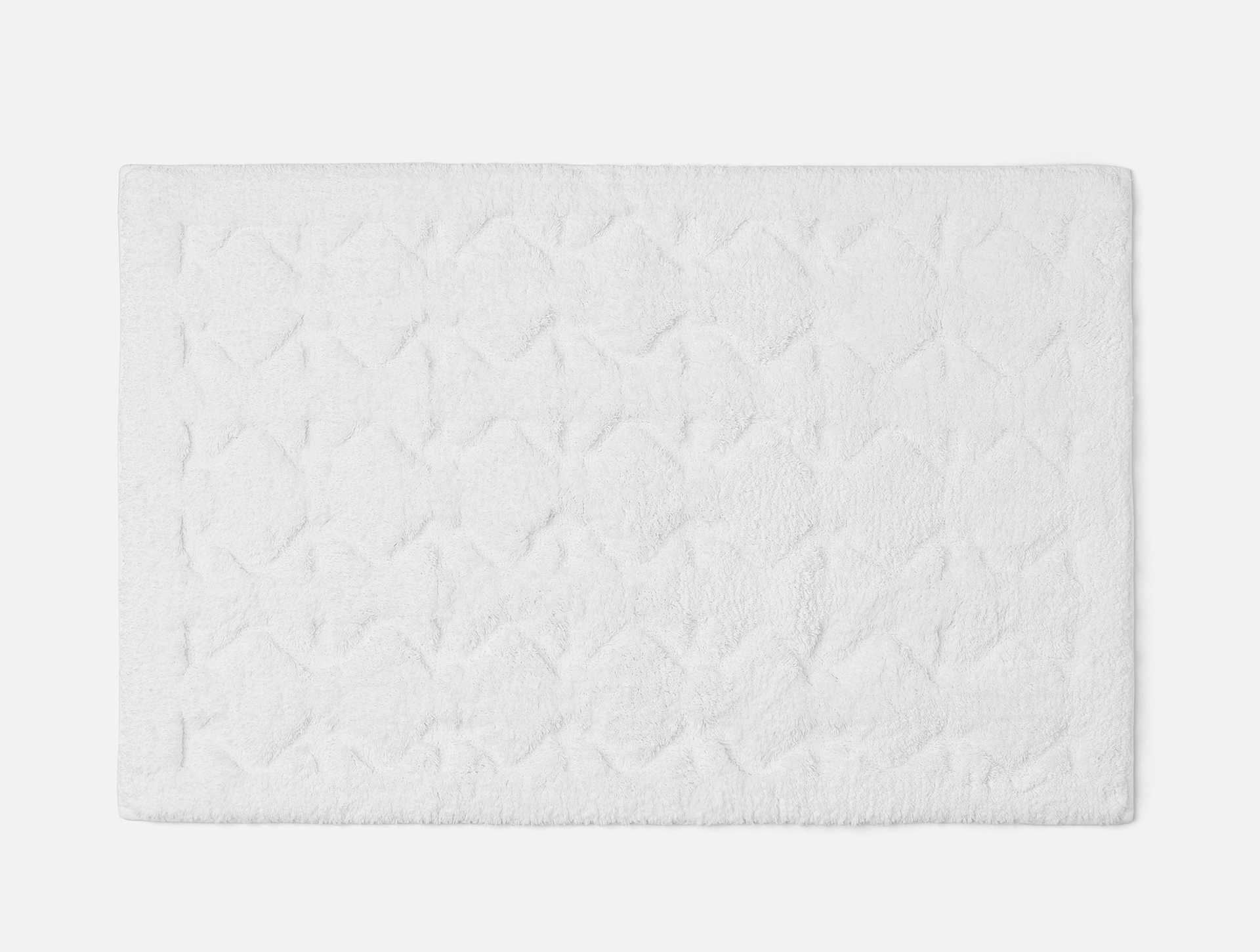
Diamond quilting is one familiar arrangement. In a well-made comforter, the stitched lines hold the batting in a repeating pattern, limiting movement while giving the surface a visible texture. Double-needle stitching, when specified, indicates a particular sewing construction; it is not by itself a promise that a comforter will last forever. The quality of the thread, the spacing of the seams, the strength of the fabric, and the care the item receives also influence durability.
Quilting involves a small compromise. More stitching can secure the fill, but seams also create points where layers are compressed. A thoughtful pattern distributes these points without leaving broad, unsupported areas where batting might shift. The design should be considered alongside the fill weight and intended use. A pattern that looks graceful on a bed is most successful when it also keeps insulation evenly spread.
To inspect construction, read the product details for the quilting pattern, stitching method, binding, and any stated steps taken to secure the fill. In person, if inspection is possible, feel for irregular clumps and look for lines that appear loose or uneven. Online, the description is necessarily less intimate, but specific language about the construction is more helpful than a string of adjectives. “Diamond quilting” tells you something about arrangement; a statement that the stitching anchors the batting explains why it matters.
Choosing weight for the room you actually have
Bedding advice often imagines a standard sleeper in a standard bedroom, neither of which exists outside a catalogue. One person sleeps warm; another wakes cold. A room with old windows behaves differently from a well-insulated one. Heating schedules, climate, mattress protectors, pajamas, and the number of layers beneath the comforter all alter the result.
Begin with the room rather than the season printed on the calendar. A cool bedroom may call for a fuller comforter, while a consistently warm room may favor a lighter cotton layer. If the temperature changes substantially between seasons, it can be more comfortable to adjust the layers around the comforter instead of searching for one object that must do everything. A breathable sheet, a lightweight blanket, and a moderate comforter give the sleeper more control than a single heavy layer.
Consider how you sleep, too. People who tend to wake warm may prefer a lighter fill and a breathable shell, while those who are often cold may welcome additional insulation. Couples with different temperature preferences sometimes find that separate layers offer more peace than a single shared solution. None of this is a flaw in cotton or in the sleeper. It is simply the domestic physics of two bodies, one bed, and a room whose thermostat has become a matter of diplomacy.
If you are replacing an existing comforter, use it as evidence. Was it too warm at the beginning of the night, or only after the room heated up? Did you want more coverage around your feet? Did the fill feel bulky, or did the fabric itself feel clammy? These observations help identify whether the issue is insulation, weight, drape, or the surrounding layers. Buying by a vague promise of “all-season comfort” is less reliable than naming the discomfort you are trying to solve.
Why corner loops matter
A comforter intended to serve as a duvet insert may include loops at its corners. These small fabric attachments connect to ties inside a duvet cover, helping hold the insert in place. The benefit is ordinary and immediate: less bunching at one end, fewer empty corners in the cover, and less need to turn the whole bedding arrangement inside out in search of a wandering comforter.
Corner loops do not change the warmth or breathability of the fill. They change how easily the comforter can be used. Before buying, confirm that the loop arrangement matches the duvet cover’s ties. Some covers have additional attachment points along the sides; others rely only on corners. A mismatch need not be disastrous, but it can leave the insert shifting more than expected.
Using a duvet cover also affects care. Instead of washing the comforter every time the bed needs refreshing, you can usually launder the cover more often, following its label. That does not make the insert maintenance-free: it still needs airing, occasional cleaning according to its instructions, and enough space to dry thoroughly. The arrangement is practical precisely because each layer has a separate job.
Care is part of the comforter’s design
A care label is not the small print after the real story. It is an account of how the maker expects the product to be treated. For an organic cotton comforter, the instructions may call for cold water, a gentle cycle, like colors, and low-heat tumble drying. The exact directions vary, so the label for the specific comforter should take precedence over general advice.
Before washing, consider the capacity of the machine. A comforter needs room to move so water and detergent can circulate. If it is crowded into a domestic washer, it may not clean or rinse evenly, and the strain can stress seams. A large-capacity machine or a professional laundry service may be more appropriate for an oversized piece. Check that the comforter is fully dry before putting it back on the bed; lingering dampness can affect its feel and freshness.
Gentle handling helps preserve both cotton fibers and quilting. Avoid harsh bleaching unless the care label explicitly permits it. Excessive heat may contribute to shrinkage or wear, and aggressive cycles can put unnecessary strain on seams. After drying, give the comforter a shake and allow it to settle. If it is used inside a cover, regular washing of that cover helps keep the insert cleaner between full washes.
Certifications can also be part of a product’s account of itself. A named standard, such as GOTS, is more meaningful than an unqualified statement that a textile is “green” or “natural.” Certification does not determine softness, loft, or temperature performance, and it is not a substitute for reading the construction and care details. It does, however, give shoppers a defined reference point for certain production and processing criteria. Treat it as one piece of information among several, not as a shortcut around them.
A practical reading of the product label
When comparing organic cotton comforters, the most useful details tend to be concrete. The following checklist keeps the decision close to the object rather than the atmosphere surrounding it:
- Fiber content: Identify the shell and the fill separately. “Cotton” may refer to only one layer.
- Fill weight: Look for a stated weight when available, and compare products with similar dimensions.
- Quilting: Note the pattern and stitching details that help keep the batting evenly distributed.
- Intended use: Check whether the comforter is described as a lightweight layer, a duvet insert, or a warmer standalone cover.
- Attachment points: If using a duvet cover, confirm that corner loops or other ties will work with it.
- Care instructions: Make sure the washing and drying requirements fit your equipment and routine.
- Certification language: Look for a clearly named certification and understand what it covers, rather than relying on broad environmental claims.
This is not a scorecard in which the most specifications win. A comforter with a higher fill weight may be wrong for a warm bedroom; a more elaborate quilt pattern may not matter to someone whose insert will remain under a duvet cover. The point is to connect each detail to a real need. A well-chosen comforter is less a trophy than a quiet accommodation.
A final word on warmth
Organic cotton comforters can offer a useful combination of natural-fiber feel, manageable warmth, and everyday practicality. Their breathability is not a guarantee against overheating; their cotton fill is not automatically lightweight; their quilting is not merely decoration. These qualities work together, and the same design may feel different in a cool guest room than in a warm apartment bedroom.
The most revealing questions are also the least glamorous: What is the shell made of? What is inside it? How much fill is there? How is it held in place? Can it be cared for without turning laundry day into a logistical event? What temperature does the room reach at three in the morning? Answer those questions, and the language of bedding becomes less mysterious.
A good comforter does not announce itself every hour. It holds warmth without insisting on it, keeps its fill where it belongs, and asks for care that fits the ordinary life of a household. The achievement is subtle. By morning, the sleeper may remember only that the night passed comfortably—which, in bedding, is close to the highest praise available.

